Why Your Kid's Sports Highlights Shouldn't Be Trapped Behind an App Subscription (And What to Do About It)
Platforms are making money off subscription walls while your kid's recruiting visibility dies—here's how to fix it
You've got your kid's highlights on Hudl. Maybe they're on some tournament app that requires a subscription to watch. Maybe they're locked inside a platform that requires downloading their app and creating an account before anyone can view anything.
The platform is making money. Coaches are paying monthly subscriptions. Parents are downloading apps. The company is profitable.
Your kid? They're invisible.
Because when a college coach Googles your athletes name to find highlights, they find nothing. When they get a link to film, they hit a paywall. When they try to share your content with their staff, the link doesn't work unless everyone has a subscription.
The platform is getting paid. Your kid is getting passed over.
Here's what most parents don't realize: you can get your content out of those walled gardens and put it somewhere coaches can actually find it, share it, and watch it—while your kid actually earns money from their Name, Image, and Likeness.
🚨 Private equity is now BANNING parents from filming their kids play sports, so they can push a $50/mo. streaming service.
— James Li (@5149jamesli) November 22, 2025
This is why people want to burn it all down — a simple joy like sharing a memory is being paywalled by evil Wall Street ghouls!! 🤬 pic.twitter.com/JB26SuGvm4
The Platform Monetization Problem
Platforms like Hudl, tournament apps, and subscription-based highlight services monetize YOUR kid's content by restricting access to it. They charge coaches monthly fees, require app downloads, put up registration walls.
The platform profits. Your kid gets nothing.
Why this kills recruiting:
1. Coaches won't pay per platform - They're not subscribing to multiple services to evaluate individual recruits.
2. Content isn't searchable on Google - Google can't index content behind subscription walls or inside apps. Your kid doesn't exist in search results.
3. Sharing doesn't work - Links don't work unless everyone has subscriptions/accounts. Head coaches won't jump through hoops.
4. Coaches won't download apps - Their phones are full. Their patience is zero.
The Google Search Problem
How recruiting actually works in 2026:
- Coach hears about a player
- Googles "[Player Name] basketball highlights"
- Expects to find film immediately
Content locked in an app? Google returns nothing. Coach moves on.
Content on YouTube, BallerTube, or other open platforms? Google shows it immediately. Coach clicks, watches, your kid is in the conversation.
What Platforms Want You to Think
These platforms claim they're "protecting your content" or "providing a premium experience."
What they're actually doing: monetizing access to your child's film while giving you and your kid zero dollars.
Your athlete creates the value, puts in the work, tries to get recruited—and gets nothing. The platform pockets subscription fees while blocking coaches who won't pay.
Private equity has apparently started buying up youth sports facilities and banning parents from filming their kids' games.
— TBPN (@tbpn) November 22, 2025
Instead, they’re pushed to buy the facility’s paid subscription for official footage, with some even warned about blacklists or team penalties if they… https://t.co/R9fIi3Vp9q pic.twitter.com/SidgXec7av
The BallerTube Alternative: Open Access + Actual NIL Monetization
Here's what you should do: Download your athlete's highlights from those paywalled platforms, then upload them to BallerTube where they become:
1. Completely free for coaches to watch No subscription required. No app download. No account creation. Coach clicks link, video plays. That's it.
2. Searchable on Google When coaches search your kid's name, BallerTube content shows up in results. You're discoverable. You exist online. Coaches can find you without needing a direct link.
3. Actually shareable Assistant coach texts link to head coach. Link works for everyone. No barriers. The whole staff can watch without friction.
4. Monetizable for YOUR KID, not the platform BallerTube enables athletes to earn from their Name, Image, and Likeness through brand partnerships, sponsorships, and engagement—without restricting who can watch the content.
This is the model that actually works: Open access for recruiting visibility + NIL monetization for the athlete.
How to Move Your Content to BallerTube
Step 1: Download or Embed Your Content - Most platforms allow downloads and embeds. If not, screen record (you created it, you own it).
Step 2: Upload to BallerTube - Create profile, upload to Game Tape section with proper titles, tags, descriptions.
Step 3: Make It Searchable - Use athlete's name, graduation class, position, location in titles/descriptions for Google indexing.
Step 4: Share the Links - Send BallerTube links to coaches. They work for everyone.
Step 5: Build NIL Presence - Start monetizing through viewshare, sponsorships and partnerships.
Why BallerTube Is Built Different
Other platforms profit from restricting access. BallerTube profits by helping athletes succeed.
For Coaches:
- No subscription required to watch film
- Content is searchable on Google
- Links are shareable across their entire staff
- Professional, organized player profiles
For Athletes:
- Content is open and accessible (maximum recruiting visibility)
- Earn actual money through NIL partnerships and brand deals
- Build a complete recruiting profile in one place
- Control your own content and distribution
For Parents:
- Your investment in filming and travel actually pays off through recruiting results
- Your kid can earn from their content without restricting access
- Coaches can easily find and share your athlete's film
- One platform for everything recruiting-related
The Real Monetization Opportunity
Platform subscriptions might generate $5,000-$10,000 total over high school—your kid sees $0.
A single NIL brand partnership: $5,000-$50,000. Multi-year sponsorship: six figures.
But those opportunities only exist if your athlete has a discoverable, shareable online presence. Content locked behind paywalls? Brands can't find you. Coaches can't find you. Opportunities can't find you.
What to Do Right Now
If your kid's highlights are currently behind a subscription wall or locked in an app:
- Download all your content from those platforms. You created it. You own it. Get it out.
- Upload everything to BallerTube. Make it free, searchable, and shareable for coaches.
- Update your recruiting communications. Send coaches BallerTube links that actually work without barriers.
- Build your athlete's NIL presence. Start earning actual money from brand partnerships instead of letting platforms profit from subscription walls.
- Keep creating content. Upload training videos, lifestyle content, and event coverage directly to BallerTube where it serves both recruiting and monetization goals.
The Bottom Line
Your kid's highlights shouldn't be making money for platforms while blocking coaches from watching.
Subscription walls, app requirements, and restricted access are great for platform profits. They're terrible for recruiting.
BallerTube flips the model: content is open and accessible for coaches, searchable on Google, completely shareable, and athletes can actually monetize through NIL—not by restricting access, but by building an authentic presence that brands want to partner with.
That's the difference between a platform that profits off your kid and a platform that helps your kid profit.
Get your content out of the walled gardens. Make it searchable, shareable, and accessible. Start building your recruiting profile and NIL presence at BallerTube.com.
Tags: basketball recruiting, highlight distribution, NIL monetization, recruiting visibility, searchable highlights, BallerTube vs Hudl, youth sports marketing
About BallerTube: BallerTube is the only platform built for both maximum recruiting visibility and athlete NIL monetization. We make your content free, searchable on Google, and completely shareable for coaches—while helping athletes earn from brand partnerships and sponsorships. No paywalls. No app requirements. Just smart recruiting strategy and real earning opportunities. Start at BallerTube.com.
What Parents Should Do Instead
If you want to maximize your kid's recruiting opportunities while still earning from your content creation efforts, follow this strategy:
1. Make recruiting highlights completely open and shareable. Post them on platforms where coaches can access them without any barriers. Use direct links that work for everyone. Prioritize visibility over monetization for this content.
2. Build a complete recruiting profile on a platform coaches actually use. Put your game tape, training videos, stats, and contact info in one place. Make it professional, organized, and coach-friendly. BallerTube is built for this—Hudl, MaxPreps, and others are too, though they lack NIL features.
3. Monetize through NIL opportunities, not paywalls. Partner with brands. Secure sponsorships. Build a following that creates value without restricting access. This is where the real money is anyway—far more than subscriptions.
4. Use subscription content for extras, not essentials. If you want to create premium content, make it bonus material—training tips, Q&As, behind-the-scenes footage. Never put the recruiting film behind a paywall.
The Bottom Line
Your kid's recruiting highlights are too important to lock behind a subscription wall or app requirement.
Yes, you've spent money on travel. Yes, you've spent time filming and editing. Yes, it would be nice to earn some of that back.
But $200 a month from subscriptions isn't worth losing a $50,000-per-year scholarship because a coach couldn't easily watch your content.
Make the recruiting film open. Make it shareable. Make it frictionless.
Then monetize through NIL partnerships, brand deals, and platform engagement that doesn't restrict access.
College coaches need to see your kid play. Don't make them work for it. Give them the easiest possible path to watch, share, and recruit.
Because when it counts—when the scholarship offers are on the line—shareability beats profitability every single time.
Build your recruiting profile the right way at BallerTube.com—where your content is open, shareable, and built for coaches to discover, while you still earn from NIL opportunities.
70
HeisMendoza Coming Home: Indiana Crushes Oregon, Sets Up Title Game with Miami
The Hoosiers' historic season continues as Fernando Mendoza returns to Miami for the biggest game of his life—and Indiana is favored to win it all
Indiana destroyed Oregon 56-22 in the CFP semifinal. The game wasn't close. By halftime it was 35-7. By the fourth quarter, it was a formality.
What comes next is the kind of storybook ending even Hollywood would call too perfect: Fernando Mendoza—Heisman Trophy winner, Miami native, Christopher Columbus High School legend—is coming home to play for a national championship at Hard Rock Stadium, twenty minutes from where he grew up.
Indiana, the program that went 3-9 two years ago, will play for college football's ultimate prize on January 19. And they'll do it as 7.5-point favorites over Miami.
How Indiana doing Oregon in the Peach Bowl pic.twitter.com/YyK6S3Eao0
— Hater Report (@HaterReport_) January 10, 2026
How Indiana Destroyed Oregon
This wasn't a victory. It was domination. Mendoza was surgical—one incompletion through the first half. His receivers made circus catches. His offensive line gave him time.
Indiana's defense forced three turnovers, all leading to touchdowns. Oregon looked outmatched. They had already lost to Indiana 30-20 during the regular season. The rematch was worse.
By the fourth quarter at 56-22, there was only one question left: Can Miami stop this?
The Matchup: Indiana vs. Miami
Miami hasn't won a title since 2001. They barely made the playoff as the last at-large team after losses to Louisville and SMU.
But they found magic in January. Beat No. 7 Texas A&M 10-3. Upset defending champion No. 2 Ohio State 24-14—the largest spread upset in playoff history. Survived No. 6 Ole Miss 31-27 with Carson Beck's game-winning scramble.
Indiana is 15-0. Undefeated. Dominant. Coach Curt Cignetti leveraged the transfer portal and NIL to transform a 3-9 program into an unstoppable force in one season.
At the center: Fernando Mendoza.
HeisMendoza: The Homecoming Story
This is what makes the national championship game must-see television. Fernando Mendoza isn't just playing for a title—he's doing it in his hometown, at the stadium where he watched games growing up, twenty minutes from Christopher Columbus High School where his legend began.
Mendoza is of Cuban descent. His grandparents were immigrants who came to Miami with nothing and built a foundation that eventually supported Fernando's rise to become one of college football's greatest players. His work ethic, he says, comes directly from watching them sacrifice.
In an interview with CNN, Mendoza's high school coach Dave Dunn talked about how Fernando still "reveres his high school career" and plays the game with the same intensity he showed at Columbus. Now, he's coming back to finish what he started—not as a high school star, but as a Heisman Trophy winner and the best player in college football.
The narrative writes itself. The local kid who made it big, returning home to win it all for a program that's never done it before. It's the kind of story that transcends sports.
Indiana DOMINATES Oregon and will face Miami for the College Football Playoff National Championship🏆
— On3 (@On3sports) January 10, 2026
Who you got?🤔https://t.co/nTBrLLjTZD pic.twitter.com/4OOyVw2Hej
What the Numbers Say
Indiana opened as a 7.5-point favorite, which tells you everything about how dominant they've been. Miami, despite their playoff heroics, is still seen as the underdog—and rightfully so.
Indiana's offense ranks in the top 10 nationally in adjusted yards per play. Their defense ranks 5th. They have the Heisman Trophy winner at quarterback, an offensive line that gives him time, and playmakers at every position.
Miami, by contrast, has won ugly. They beat Texas A&M 10-3. They held Ohio State to 14 points. They survived Ole Miss by 4 points. The Hurricanes aren't blowing teams out—they're grinding, controlling the clock, and relying on their defense to make stops when it matters.
The question is whether Miami's defensive formula can slow down Fernando Mendoza and an Indiana offense that just hung 56 points on a very good Oregon team. If the Hurricanes can't get consistent pressure on Mendoza, this could get out of hand quickly.
On the flip side, Miami quarterback Carson Beck has been clutch in the playoffs. He wasn't great in the regular season at Georgia, but since transferring to Miami, he's delivered in big moments—including that game-winning scramble against Ole Miss. If Beck can extend plays, control the tempo, and lean on running back Mark Fletcher Jr. (who's averaged over 6 yards per carry in the playoffs), Miami has a chance.
The Betting Perspective
Oddsmakers initially had Oregon as a 2.5-point favorite over Miami in a hypothetical championship matchup. After Miami's win, those odds shifted. Now, with Indiana dismantling Oregon, the Hoosiers are the clear favorite at -7.5.
The total hasn't been set yet, but expect it to be in the low 50s. Indiana's offense is explosive, but Miami has shown they can slow games down and turn them into defensive battles. This game likely comes down to which version of Miami shows up—the team that held Ohio State to 14, or the team that gave up 27 to Ole Miss.
What's at Stake
For Indiana: First national championship ever. Cignetti goes from 3-9 to undefeated champion in two years. Mendoza cements his legacy. Indiana transforms from punchline to powerhouse.
For Miami: Reclaiming the throne. Five national championships in program history, none since 2001. The U was college football royalty—then they fell off for two decades. One win away from getting it all back. At home. In front of their crowd.
But they're the underdog. Again. And every time, they've found a way to win.
The Bottom Line
This is the best possible national championship matchup. Indiana—ultimate Cinderella story, undefeated with the Heisman winner returning home. Miami—the sleeping giant trying to reclaim its throne.
Fernando Mendoza playing the biggest game of his life in his hometown, in front of family and friends who watched him become this. A first-time CFP-era national champion guaranteed.
January 19 at Hard Rock Stadium. Indiana favored by 7.5. But Miami is at home, battle-tested, playing with nothing to lose.
The Hoosiers have been perfect all season. Now they need one more perfect performance in the most hostile environment imaginable, against a team built on proving doubters wrong.
HeisMendoza is coming home. And he's bringing the whole country with him.
National Championship Details:
- Date: Monday, January 19, 2026
- Time: 7:30 PM ET
- Location: Hard Rock Stadium, Miami Gardens, Florida
- TV: ESPN
- Betting Line: Indiana -7.5
- Total: TBD (likely low 50s)
128
How to Get Your Hudl Game Film onto BallerTube (And Why You Need More Than Just Hudl)
Use the embed function to bring your Hudl highlights to BallerTube, then supplement with training videos, lifestyle content, and HD highlights to build a complete recruiting profile—while earning from your NIL
If your child plays indoor high-school sports, you probably have a Hudl account. Maybe you've got footage from Pixellot cameras at tournaments or BallerTV streams from showcases. These platforms are great for what they do—capturing full games, automated tracking, surveillance-style coverage that doesn't miss possessions.
But here's what they're not great at: telling your athlete's complete story.
Hudl shows coaches you can play. It doesn't show them how hard you train. It doesn't show your personality, your work ethic, or the grind that happens when cameras aren't pointed at center court. And it definitely doesn't help you monetize your content or build a brand that extends beyond game film.
That's why smart athletes and parents are using BallerTube as their central hub—embedding their Hudl game tape alongside training videos, lifestyle content, and HD highlights to create a recruiting profile that actually represents who they are. And unlike every other platform, BallerTube lets you earn from your Name, Image, and Likeness (NIL) while doing it.
Here's how to make it work.
Hudl is great for coaches. BallerTube is where exposure actually lives. Here’s how to get your game film from Hudl onto BallerTube so more fans, scouts, and recruiters can actually find you.https://t.co/a4SVS2uwIq pic.twitter.com/5tlGUNge5r
— Preps (@PrepsTv) January 10, 2026
Why Hudl Alone Isn't Enough
Hudl is the industry standard for high school sports video. Coaches use it, teams use it, it's reliable and organized.
But Hudl has limitations:
1. It's game film only. Not built for training content, workout videos, or anything off the court.
2. It's not social. No discovery algorithm. Coaches have to know you exist and search specifically. No organic reach.
3. You can't monetize. Hudl doesn't pay athletes. No sponsorships, brand deals, or NIL opportunities.
4. It doesn't show personality. Coaches recruit people, not just players. Game film alone doesn't show coachability, work ethic, or program fit.
The same applies to Pixellot and BallerTV—excellent for automated game coverage, but one-dimensional. They show you playing. They don't show you being an athlete.
That's the gap BallerTube fills.
How to Embed Hudl Content on BallerTube
BallerTube lets you bring your Hudl highlights directly into your profile using the embed function. This means college coaches can watch your game film without leaving your BallerTube page, and you can supplement that game tape with all the other content Hudl doesn't allow.
Here's the step-by-step process:
Step 1: Get Your Hudl Embed Code
- Log into your Hudl account
- Navigate to the highlight reel or game film you want to share
- Click the Share button (usually in the top right corner)
- Select Embed from the sharing options
- Copy the embed code that appears (it'll look like an HTML iframe snippet)
Important: Make sure your Hudl video privacy settings allow embedding. If your video is set to "Private" or "Team Only," the embed won't work publicly. Set it to "Unlisted" if you want it viewable only via the embed link, or "Public" if you want it searchable.
Step 2: Add It to Your BallerTube Game Tape Section
- Log into your BallerTube account
- Go to your profile and navigate to the Game Tape section
- Click Add New Video
- Select Embed Video (not Upload)
- Paste your Hudl embed code into the provided field
- Add a title (e.g., "Region Finals vs. Montverde - 22 points, 8 rebounds")
- Add tags (e.g., "full game," "playoff performance," "Class of 2026")
- Click Save
That's it. Your Hudl video now lives on BallerTube alongside all your other content. When coaches visit your profile, they can watch your full game tape without leaving the platform.
Social media wasn’t built for your sports career. BallerTube was — and it’s the only social platform that lets you embed your full game tape. Build your hub. Own your exposure.https://t.co/FzXeeMGZCv pic.twitter.com/4UbYbVFWD7
— Preps (@PrepsTv) January 10, 2026
Step 3: Repeat for Multiple Games
You're not limited to one embed. Add as many Hudl highlights as you want:
- Championship games
- Playoff performances
- Games against ranked opponents
- Defensive showcases
- Clutch moments
Organize them by season, competition level, or performance type. Make it easy for coaches to find exactly what they're looking for.
What Else Should Be on Your BallerTube Profile?
Once your game tape is embedded, build the rest of your story.
1. Training Videos
Show how you got there. Ball-handling drills, shooting workouts, strength sessions, footwork drills, film breakdown. Coaches want athletes who work when nobody's watching.
2. HD Highlights
60-90 second reels featuring your best plays, position-specific skills, athletic ability, and basketball IQ. Concise, well-edited highlights that show why you belong on a college roster.
3. Lifestyle Content
Pre-game routines, recovery sessions, community service, academic achievements, day-in-the-life videos. Show coaches you're a person they'd want representing their program.
4. Event Coverage
Upload content from major showcases (SUTS, Junior Orange Bowl, MADE Hoops). Centralize everything in one place so coaches don't hunt across five websites.
5. Testimonials
30-second coach testimonials about work ethic, leadership, character. Third-party endorsements carry weight.
Why BallerTube Is the Only Platform Built for This
Other platforms do one thing well. Hudl does game film. YouTube does video hosting. Instagram does social content. BallerTube does all of it—and it's built specifically for athlete recruiting and NIL monetization.
Complete Recruiting Profiles
BallerTube profiles aren't just video libraries. They're complete athlete portfolios featuring:
- Full game film (embedded from Hudl or uploaded directly)
- Training content
- Highlights
- Lifestyle videos
- Stats and accolades
- Contact information for coaches
- Links to social media and other platforms
Everything a college coach needs to evaluate you lives in one place.
NIL Monetization
Here's the part that separates BallerTube from every other platform: you can earn money from your content.
BallerTube enables athletes to:
- Partner with brands for sponsored content
- Earn from content views and engagement
- Secure endorsement deals
- Build a personal brand that has financial value
Hudl doesn't pay you. Pixellot doesn't pay you. YouTube pays pennies unless you have millions of subscribers. BallerTube is built on the premise that athletes deserve to profit from their Name, Image, and Likeness—and it provides the infrastructure to make that happen.
Discoverability
Unlike Hudl, which requires coaches to search for you specifically, BallerTube has discovery features:
- Trending content algorithms
- Search and filter by position, class year, location, and stats
- Featured athlete spotlights
- Event coverage that drives traffic to participant profiles
Your content doesn't just sit in a folder. It gets seen.
Direct Coach Access
College coaches can message you directly through BallerTube. They can save your profile, add you to watchlists, and track your development over time. There's no middle platform, no third-party service—just direct connection between athletes and recruiters.
The Surveillance Problem with Pixellot and BallerTV
Pixellot and BallerTV are game-changers for tournament coverage—automated, full-court video without camera operators. But surveillance-style video has limitations:
1. Fixed camera angles. Can't zoom, can't capture bench interactions or anything outside the camera's field.
2. Compressed quality. Watchable, but not broadcast-level HD.
3. No editorial control. Can't cut highlights or isolate plays.
These platforms are essential for capturing games. But supplement them with content you control—HD highlights, training videos, interviews—that show you at your best.
Building the Complete Profile: A Real Example
Here's what a complete BallerTube profile looks like for a 2026 point guard:
Game Tape Section (Embedded from Hudl):
- Region Finals vs. Columbus High - Full Game
- State Tournament Semifinal - Full Game
- AAU Nationals Pool Play - Full Game
Highlights Section (Uploaded to BallerTube):
- 2025-26 Season Highlights (90 seconds)
- Defensive Showcase (60 seconds)
- Playmaking Reel (60 seconds)
Training Section:
- Ball-Handling Workout with Trainer
- Shooting Workout - 100 Three-Pointers in 10 Minutes
- Strength and Conditioning - Offseason Grind
Lifestyle Section:
- Day in the Life: Game Day Routine
- Community Service: Youth Basketball Camp
- Academic Achievement: 4.0 GPA, Honor Roll
Testimonials:
- Head Coach Interview: "Why [Name] Will Succeed at the Next Level"
- Trainer Testimonial: "The Hardest Worker I've Coached"
This profile tells a complete story. It shows game performance, skill development, character, and work ethic. It gives coaches every reason to reach out—and it's all organized, professional, and easy to navigate.
The Bottom Line: Centralize Everything on BallerTube
Hudl is great for what it does. So are Pixellot and BallerTV. But none of them give you the complete toolkit you need to get recruited and build a brand.
BallerTube does.
Embed your Hudl game tape. Upload your training videos. Share your lifestyle content. Build a profile that represents the full scope of who you are as an athlete and a person. And most importantly, start earning from your Name, Image, and Likeness while doing it.
Because at the end of the day, recruiting isn't just about being good. It's about being seen, being understood, and being valued. BallerTube makes all three happen.
Ready to build your complete recruiting profile? Start at BallerTube.com.
93
Trae Young to Washington: When the NBA's Biggest Star Chooses the League's Graveyard
The end of an era in Atlanta, a questionable future in DC, and what it means for a 27-year-old who might never make another All-Star team
Trae Young is headed to Washington. Let that sink in. Not Miami. Not New York. Not Los Angeles. Washington—a franchise that hasn't won a playoff series in four years, hasn't made the Finals since 1979, and has one championship in nearly 50 years of existence.
The Atlanta Hawks just traded their franchise player, their four-time All-Star, the most consequential player in franchise history since Dominique Wilkins, for CJ McCollum and Corey Kispert. No draft picks. No young prospects. Just two role players to help Atlanta move on from what had clearly become an unsustainable relationship.
And Young? He requested Washington as his preferred destination. He chose the team with the second-worst record in the Eastern Conference. He chose the organization Nick Young just called a "graveyard" on national television.
The question isn't whether this is the end of an era for Atlanta—it obviously is. The question is whether this is also the end of Trae Young's time as an elite NBA player.
It’s official #TRA3 @WashWizards pic.twitter.com/Aikewfkwjc
— Trae Young (@TheTraeYoung) January 9, 2026
The Atlanta Era: From ECF to Exit
In seven-plus seasons, Trae Young averaged 25.2 points and 9.8 assists. Four All-Star teams. Led the NBA in assists. Dragged the Hawks to the 2021 Eastern Conference Finals, silencing Madison Square Garden and outdueling Joel Embiid. He was 22 years old and looked like the foundation of a contender.
That was the peak.
Since then, the Hawks have been mediocre. Young's defensive limitations became more obvious. His shot selection remained questionable. And this season, the numbers told a story Atlanta couldn't ignore: 2-8 with Trae, 15-13 without him.
The emergence of Jalen Johnson, Dyson Daniels, and Zaccharie Risacher showed Atlanta had a functional team when the ball moved. Young's $49 million player option made it impossible to build around him long-term. So Atlanta cut bait and moved on.
Washington: Where Careers Go to Die
Nick Young on Gil's Arena Show: "History shows going to the Wizards messes up people's careers. Jordan Poole, Russell Westbrook—Wizards is like one of them 'graveyard' places."
Jordan Poole won a championship with Golden State, then averaged 17 points on a 15-67 Wizards team. Russell Westbrook averaged a triple-double and left immediately. Even Michael Jordan averaged over 20 points at age 38 and the Wizards went 37-45 both years.
The franchise has made the playoffs once since 2018. One championship in 47 years. Bradley Beal spent 11 years there, made three All-Star teams, never got past the second round. John Wall tore his Achilles. Gilbert Arenas had a weapons charge derail his career.
Washington doesn't build stars—they collect them on their way down.
The $49 Million Question
Young has a $49 million player option next season. The expectation is he'll pick it up and possibly sign an extension with Washington.
If he signs long-term—say, three years, $140 million—he's betting he can turn the Wizards around alongside Alex Sarr, Kyshawn George, and Bilal Coulibaly.
It's a massive gamble. Washington ranks 27th in offensive efficiency. They're deliberately tanking to protect their 2026 first-round pick. Multiple reports suggest they may not even play Young much this season—they're targeting 2026-27 as the actual start.
So he's going to sit, rehab his knee, and wait a full year? At 27? When he's already dealing with questions about defense and shot selection?
This isn't Chris Paul mentoring Oklahoma City. This is a four-time All-Star in his prime choosing a bottom-tier franchise with no timeline for contention.
Will He Ever Make Another All-Star Team?
Young hasn't made an All-Star team since 2022. He's dealing with a knee injury. His shooting has declined—30.5% from three this season. His defensive limitations have become more glaring as one Western Conference executive told ESPN: "Offense is so easy now. It's hard for these small point guards to have real value with how the game is played now."
Washington won't make the playoffs next year. Probably not the year after either. By the time they're potentially competitive, Young will be 29 or 30 with three years of losing basketball and no All-Star selections. At that point, is he even a top-15 point guard?
Compare that to Luka Dončić—four-time All-NBA First Team, led Dallas to the Finals, top-five player in the world. The gap between those two careers didn't need to be this wide.
What Atlanta Lost—and Gained
Atlanta is better today. Jalen Johnson has emerged as a two-way star. Dyson Daniels is elite defensively. Risacher has shown flashes. Adding McCollum gives them a veteran scorer who doesn't dominate possessions. Kispert shoots 40% from three.
The Hawks also get massive financial flexibility. McCollum's contract expires this summer, giving them nearly $40 million in cap space.
But they lost star power. Trae Young put Atlanta on the national map. He sold tickets, created highlights, gave the franchise an identity. Now they're a well-coached, defensively sound team with no true centerpiece.
Atlanta chose sustainability over stardom. It's smart. It's also boring.
The Lesson for Young Players
If you're a high school or AAU player watching this unfold, here's what you need to understand:
1. Team success matters more than individual stats. Trae Young averaged 25 and 10 for seven years. He's a salary dump. Jrue Holiday averaged 15 and 6 and won two championships. He's irreplaceable. The NBA values winning over volume.
2. Defense is non-negotiable at the highest level. You can be an offensive genius, but if teams hunt you defensively in the playoffs, you're a liability. Young has never been able to shake that label, and it's cost him.
3. Fit matters. Young could have been more selective about where he wanted to go. He could have demanded a trade to Miami, where they play defense and have championship culture. He chose Washington because they offered him the keys to the franchise. Sometimes having complete control isn't better than being part of something functional.
4. Reputation is everything. Young's reputation as ball-dominant, defense-optional, and difficult to build around tanked his trade value. Whether that's fair or not doesn't matter—perception became reality, and now he's starting over at 27 in one of the NBA's least respected franchises.
The Uncomfortable Truth
Trae Young might never be an elite NBA player again.
He might rehab his knee, come back next season, put up 22 and 9, and lead Washington to 30 wins. He might sign a three-year extension, mentor some young guys, and become a solid veteran contributor who makes one or two more All-Star teams if the fans really push for it.
Or he might fade into irrelevance. He might become the cautionary tale about undersized guards who can't defend. He might become the player GMs point to when explaining why they won't build around offensive-only point guards anymore.
The scary part? Both futures are equally plausible.
Washington has a history of breaking players. Young is betting he's the exception. Based on everything we know about the Wizards, about his limitations, and about the way the NBA is trending, that's not a bet many people would take.
The End of an Era
Trae Young's time in Atlanta is over. He brought excitement, controversy, playoff runs, and ultimately disappointment. He'll be remembered as the player who almost was—almost good enough to lead a team to the Finals, almost transcendent enough to overcome his limitations, almost capable of being the franchise cornerstone the Hawks desperately needed.
Almost. But not quite.
Now he's in Washington, where almost is all anyone ever gets.
The question isn't whether this is the end of an era for Atlanta. It's whether this is the beginning of the end for Trae Young.
87
Is South Florida Becoming the Basketball Capital of America? The Case for Miami's Rise as a Prep Hoops Powerhouse
A packed calendar of elite tournaments, top-ranked prospects, and national exposure is transforming South Florida into the must-visit destination for high school basketball
Something remarkable is happening in South Florida. While traditional basketball hotbeds like Indianapolis, Las Vegas, and New York have long dominated the national prep basketball scene, Miami and its surrounding communities are quietly—or not so quietly—building a case as the sport's new epicenter.
The evidence isn't subtle. Before the holiday stretch even began this year, South Florida's prep basketball scene kicked off with the MADE Hoops Miami Tip-Off, a high-level early-season showcase at the Scott Galvin Community Center that brought some of the nation's top teams and top-30 prospects together under one roof. Teams like Montverde Academy, IMG Academy, Prolific Prep, and Christopher Columbus competed in November, setting the tone for what became a packed winter schedule of national-level events.
Then, during the Christmas break, Miami continued its tournament blitz: the Kreul Classic in Coral Springs, the Miami Holiday Invitational Showcase at the historic Miami Senior High gymnasium, and the Junior Orange Bowl Basketball Classic—a long-running multi-day holiday event now in its 37th year featuring elite boys and girls brackets with teams from across the nation.
The momentum continued into the new year. The SUTS Event in early January brought top Florida teams at Doral Academy and SLAM Miami, providing a critical late-stage exposure opportunity for athletes still seeking college commitments.
The result? A stacked calendar of national prep events clustered in one region within the same season, showcasing some of the country's best talent and creating repeated high-stakes competition opportunities that don't exist anywhere else.
The question isn't whether South Florida hosts elite basketball anymore. It's whether Miami has become the most important destination in prep hoops—period.
South Florida is becoming the basketball capital of America.
— Preps (@PrepsTv) January 9, 2026
5+ national tournaments in 3 months. All within 30 miles.
3 of the top 11 teams nationally
Every D1 coach making Miami a recruiting priority.
The shift happened. Most people just aren't paying attention yet. pic.twitter.com/LTARma5cC8
The Numbers Don't Lie
Let's break down what South Florida actually offers that other regions don't.
National Ranking Dominance: Florida entered the 2024-25 season with three of the top 11 teams in the nation according to the On3 Massey Ratings—more than any other state. Montverde Academy was the preseason No. 1 team in the country. Columbus High checked in at No. 8 nationally. IMG Academy rounded out the elite trio. No other state had this concentration of elite programs in the national top-15. This Trend has carried over into the 2025-2026 season as well.
Tournament Density: Within a three-month window (November through January), South Florida hosts at least five major national-level tournaments. That's not counting smaller regional events or the AutoNation Orange Bowl Basketball Classic at Amerant Bank Arena, which brings elite college programs to the area. No other region in America hosts this concentration of elite prep events in such proximity.
Geographic Convenience: All these events happen within a 30-mile radius. Teams can compete in multiple tournaments without changing hotels or travel logistics.
National Participation: The Junior Orange Bowl has welcomed teams from 21 states, D.C., Canada, Puerto Rico, and Slovenia. The MADE Hoops Miami Tip-Off featured teams from California, Washington, and across the country.
Top-30 Talent: The MADE Hoops events consistently feature 25-plus players ranked in the top 150 nationally. When Cameron and Cayden Boozer (both Duke standouts and lottery prospects) played at Columbus, they competed against national elite talent weekly. Now that they are gone nothing has changed with Columbus still ranked nationally.
College Coach Attendance: Every major tournament in South Florida draws Division I coaches from across the country. When top programs are scouting in November, December, and January, they're making South Florida a priority destination because they can see dozens of elite prospects in one trip.
Why Miami? Why Now?
Year-Round Basketball Culture: South Florida's climate supports 365-day outdoor play. The talent pipeline never stops.
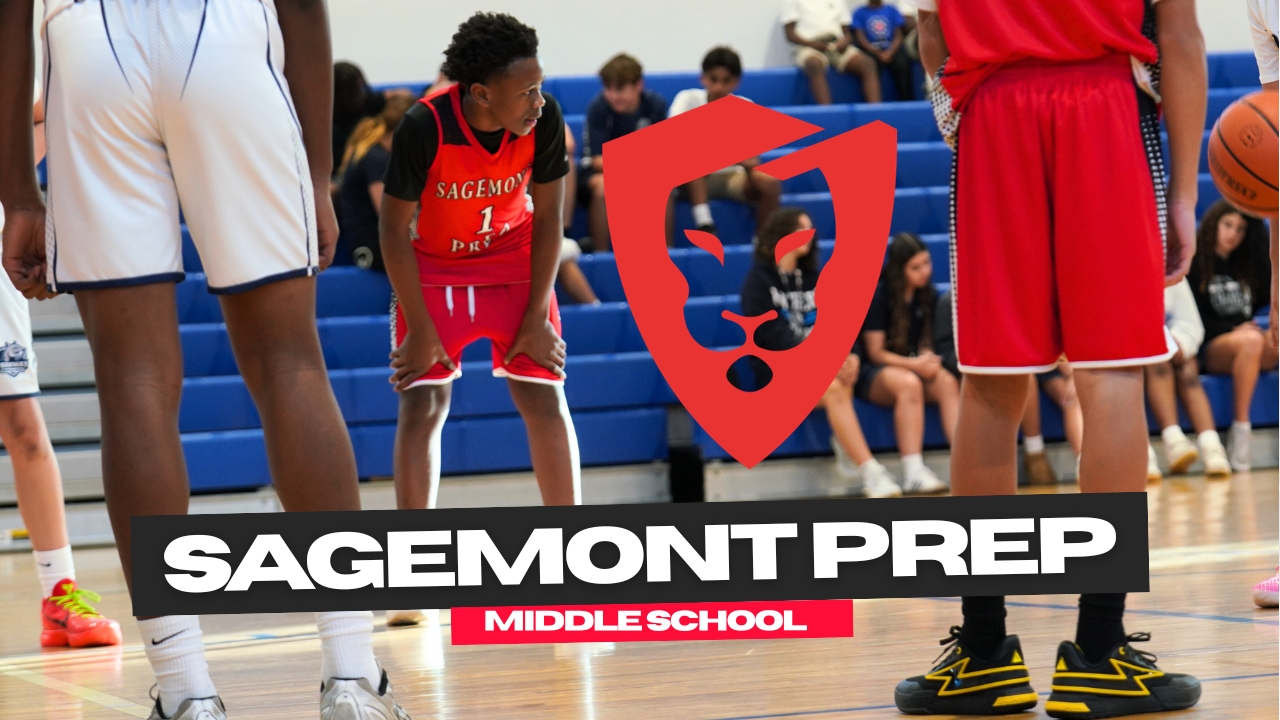
Elite Private School Programs: Columbus High, Westminster Christian, Sagemont Prep, and Calvary Christian have built nationally competitive programs that regularly produce Division I talent and NBA prospects.
IMG Academy and Montverde: While outside Miami, both schools recruit heavily from South Florida and compete in Miami-area tournaments, elevating the region's basketball profile.
NBA Culture: The Miami Heat's championships created a basketball culture that extends beyond professional sports. Miami became a basketball city.
Infrastructure Investment: Miami's diverse venue options—from historic high school gymnasiums to modern facilities—provide the infrastructure needed to host multiple major tournaments simultaneously.
Tournament Organizer Expertise: Organizations like MADE Hoops and the Junior Orange Bowl bring professional-level event management with media coverage, live streaming, and national presentation.
The Historic Venues Matter
Miami Senior High's gymnasium—The Asylum—was established in 1928 and has produced NBA players like Udonis Haslem and Steve Blake. When national teams compete there during the Miami Holiday Invitational, they're playing in a venue that's been developing NBA talent for nearly a century.
Belen Jesuit, host of the Junior Orange Bowl Basketball Classic now in its 37th year, has created a tradition that brings teams back annually, generating continuity and prestige that newer events struggle to replicate.
The Jim Reilly Gymnasium in Coral Springs, home to the Kreul Classic, represents the community investment in elite basketball infrastructure that makes South Florida's tournament circuit possible.
South Florida continues to host some of the most competitive high school basketball tournaments in the region, bringing together elite varsity programs and top-tier talent all season long. #FloridaHoops #PrepBasketball https://t.co/MQZBtN1X6x pic.twitter.com/pOchGQW6RO
— Preps (@PrepsTv) January 9, 2026
What This Means for Players and Families
Exposure: Elite prospects don't need to travel to Las Vegas or Indianapolis to be seen. College coaches come to Miami multiple times from November through January.
Competition Level: Playing against national elite talent regularly accelerates development in ways other regions can't replicate.
Cost Savings: Families avoid flights to Vegas or hotel rooms in Indianapolis while still getting national exposure. Geographic convenience saves thousands.
Year-Round Development: South Florida's AAU programs, private schools, and tournament circuit create a 12-month pipeline. There's no offseason.
The Pressure: Every game matters. Every tournament has college coaches watching. Players either thrive or seek less competitive situations elsewhere.
The SUTS Event: The January Showcase
The SUTS Event in early January brought together some of the top high school varsity teams in the state of Florida, providing a competitive platform for elite programs to face high-level opposition. Hosted at Doral Academy and SLAM Miami, the event focused on showcasing team systems, depth, and top-tier talent across all class years. Designed for programs competing at the highest level, SUTS served as a true measuring stick event for Florida’s best, setting the tone for the second half of the season.
The SUTS Event represents what makes South Florida unique: recognizing gaps in the recruiting calendar and filling them with professional-quality tournaments that serve both players and coaches.
But Is It Really the Capital?
Las Vegas hosts massive AAU events during July that dwarf anything in Miami. The adidas, Nike, and Under Armour circuits all converge there.
Indianapolis hosts Indiana high school tournaments and Big Ten recruiting events with similar coach attendance.
New York City produces more NBA players per capita than any region. The culture and history still carry weight.
California has more Division I prospects total than any state.
So what makes South Florida different? Concentration and timing. South Florida's tournaments happen during crucial evaluation periods when college coaches can watch prospects in person. The November and December windows are critical for recruiting—exactly when Miami's tournaments take place.
Other regions have big events. South Florida has a season-long circuit of big events within driving distance of each other, all happening when college programs are most actively recruiting outside of summer live periods .
The Cultural Shift
Perhaps the strongest evidence isn't the tournaments themselves—it's who's choosing to be there.
National prep powerhouses like Montverde, IMG, Prolific Prep, and Oak Ridge travel to Miami for competitions. They could play anywhere. They choose South Florida because that's where the visibility, competition, and basketball culture demand excellence.
Top prospects from across the country are moving to South Florida to play high school basketball. Cameron and Cayden Boozer chose Columbus High in Miami. That pattern is repeating.
College coaches are building South Florida recruiting trips into their calendars as non-negotiable. They're not stopping by if convenient—they're building entire recruiting weekends around South Florida tournaments.
The Bottom Line
Is South Florida the basketball capital of America? If measuring by tradition or historical significance—not yet. New York, Chicago, the DMV and Los Angeles still claim that title.
But if measuring by current relevance, tournament quality, recruiting impact, and concentration of elite competition—South Florida has a legitimate claim.
Basketball capitals aren't born overnight. They're built through sustained excellence, infrastructure investment, and accumulation of elite talent over time.
South Florida has all those elements converging. The tournaments are world-class. The talent is undeniable. The college coaches are prioritizing it. Organizations like MADE Hoops, the Junior Orange Bowl, and SUTS are actively innovating and raising standards.
Ten years from now, when basketball historians look back at the 2020s, South Florida's emergence as a prep basketball powerhouse will be one of the decade's defining narratives.
The question isn't whether South Florida is becoming the basketball capital. The question is whether the rest of the country is paying close enough attention to notice it's already happened.
Preps nation and BallerTube are committed to showcasing elite basketball talent and providing opportunities for young athletes to get recruited. Whether you're competing in Miami or anywhere else, your highlight reel matters. Start building your future at BallerTube.com.
67